Far South and Bonifacio
Limestone cliffs of Bonifacio, beaches of Palombaggia and Rondinara, granite villages of Alta Rocca and the Bavella needles 40 km from the coast.
The far south of Corse forms a limestone and granite peninsula that closes the island facing Sardinia, just 12 kilometres across the Strait of Bonifacio. It is a geography of contrasts: to the east, the Porto-Vecchio coast unfolds bays of pale sand bordered by stone pines and low maquis (Palombaggia, Santa Giulia, Rondinara, Pinarello); to the west and south, the white limestone cliffs of Bonifacio plunge vertically 70 metres into transparent sea. Between the two, the hinterland climbs steeply towards Alta Rocca, where granite dominates around Zonza, Quenza and the Bavella needles, which rise above 1,600 metres within less than 40 kilometres of the coast.
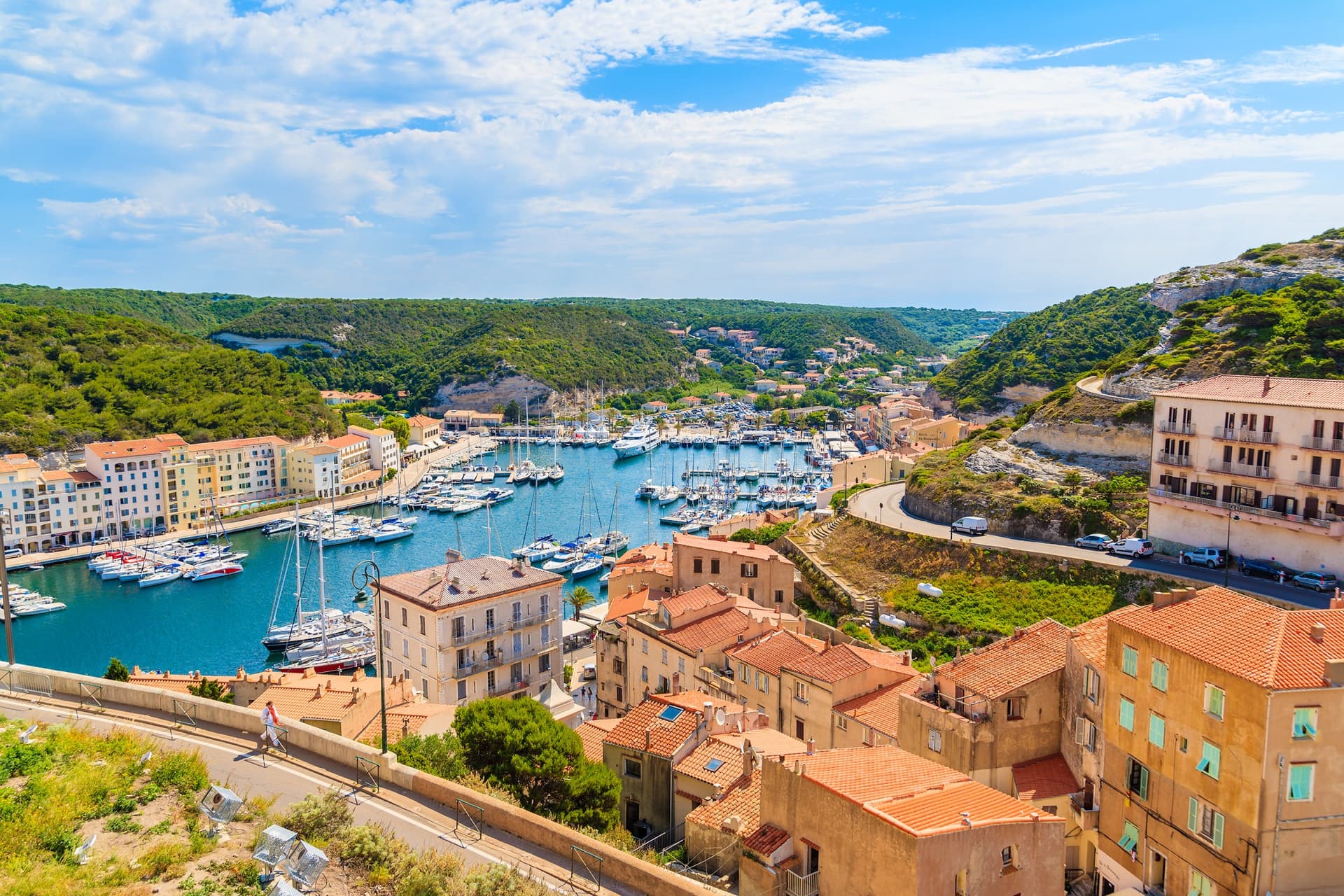
Bonifacio is a case apart. The old town is perched on a limestone blade jutting into the sea, overlooking a natural strait used as a port since antiquity. The city long existed on the margins of the rest of the island: populated from the 12th century by Genoese settlers, it has retained its own Ligurian dialect, bunifazinu, still spoken by a few elderly residents. The narrow streets of the Upper Town, medieval cisterns, the Aragonese King's Staircase carved into the cliff face and the seaside cemeteries bear witness to this distinct identity. From the port, 50-minute shuttles serve Santa Teresa Gallura in Sardinia, making a day trip possible.
Porto-Vecchio, 27 kilometres to the north, plays a different role: a former salt town turned seaside resort, it concentrates the majority of accommodation in the area and serves as a logistics base for exploring the region. The old town, perched on its granite spur, retains its Genoese bastions and a few good restaurants around Place de la République. From here depart roads to the southern beaches (D859 towards Palombaggia) and into the interior (T40 towards L'Ospedale and Bavella).
Alta Rocca, at altitude, deserves time to explore. The villages of Sainte-Lucie-de-Tallano, Levie, Carbini and Quenza are organised around their shaded squares, Romanesque Pisan churches and granite houses with slate roofs. The archaeological site of Cucuruzzu and Capula, occupied since the Bronze Age, can be visited along a 1.5-hour path through holm oak woods. At table, you'll find farmhouse ewe cheeses (fresh brocciu, aged tommes), nustrale pork charcuterie from semi-wild herds and wine from Figari, one of Corse's southernmost AOCs, grown on warm granitic soils.
The local economy now relies heavily on the summer season, which creates significant tensions: the southern roads are congested in July-August, the most popular beaches are full by 10 a.m., and accommodation prices double compared to the shoulder season. This is why our English-speaking team systematically guides visitors towards May-June or September, when the sea remains at 20-22 °C and visiting conditions are manageable.
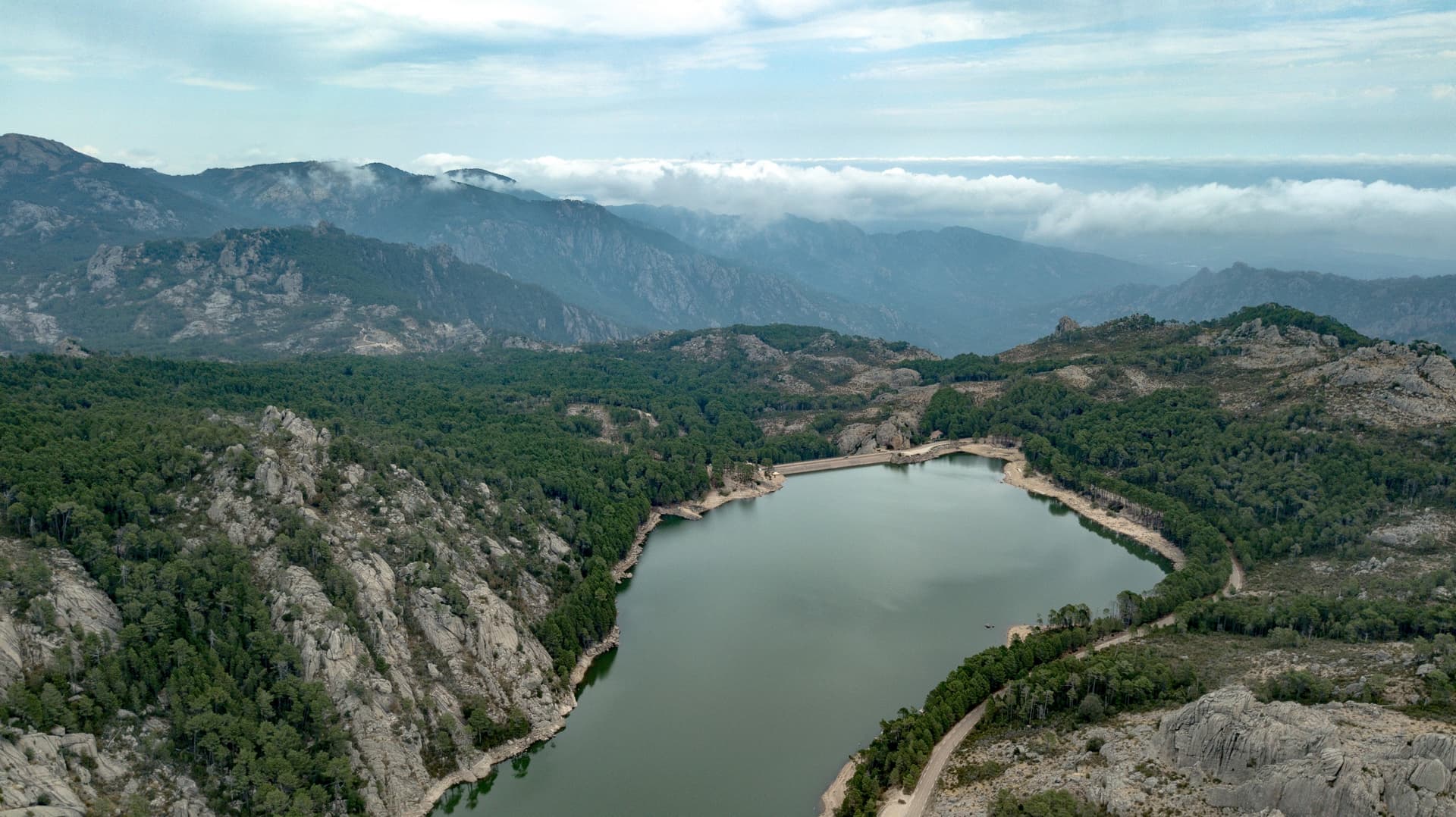
The Bavella massif, finally, presents a very different face from the rest of the region: century-old Corsican pine, red granite boulders, GR20 south trails passing through the col at 1,218 metres. It is one of the rare places where you can combine a morning swim at Rondinara with an afternoon mountain walk.
To discover
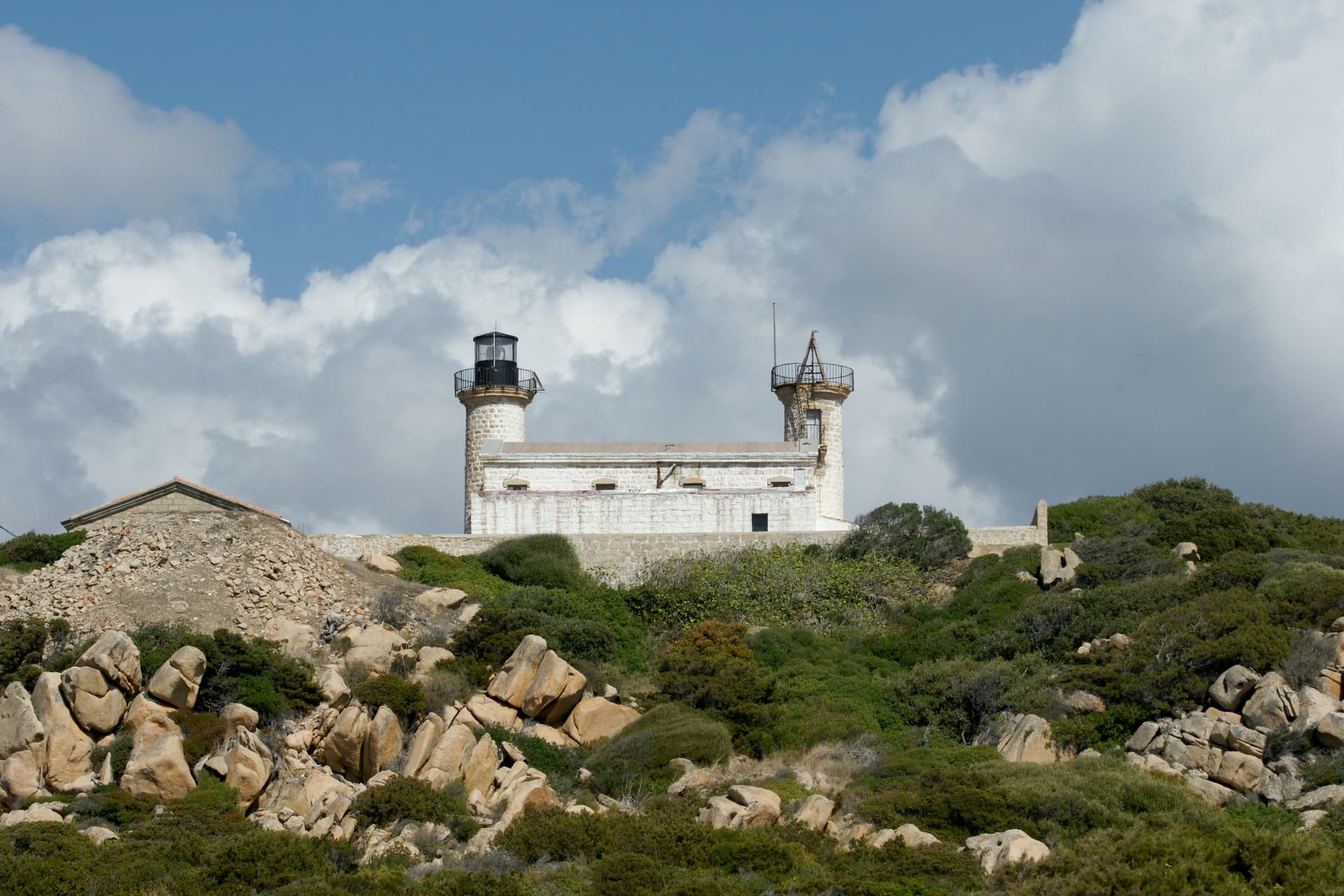
Cliffs and Upper Town of Bonifacio. Walk along the cliff path to Pertusato lighthouse, then descend the 187 steps of the Aragonese King's Staircase carved vertically into the limestone above the sea.
Rondinara Beach. A shell-shaped bay almost enclosed, shallow water and fine sand, accessible by 6 kilometres of track from the D158. Best visited before 10 a.m. or after 5 p.m.
Bavella Needles. Trou de la Bombe hike (2 hours round-trip) from the Bavella pass, through Corsican pine to a natural arch carved into red granite.
Alta Rocca villages. Route between Levie, Sainte-Lucie-de-Tallano and Zonza, with a stop at the Cucuruzzu prehistoric site and lunch at a nustrale pig breeder's.
Crossing to Sardinia. 50-minute ferry Bonifacio - Santa Teresa Gallura for a day on the Costa Smeralda or in the Gallurese hinterland.
When to go
The useful season runs from mid-April to mid-October. May and June are our favourite months: daytime temperatures of 22 to 26 °C, sea at 19-21 °C, flowering maquis (cistus, mastic, immortelle) and still modest visitor numbers. September offers a warmer sea (22-23 °C) and long daylight hours, with a clear drop in visitors after 5 September. July and August remain feasible but require strict logistics: very early beach departures, accommodation reservations several months in advance, and temperatures regularly exceeding 32 °C on the coast.
Alta Rocca and Bavella, at altitude, are 5 to 8 °C cooler than the coast, making them a useful escape in mid-summer. Conversely, from November to March, the hinterland can receive snow above 1,000 metres and several Zonza accommodations close. The coast remains mild (12-15 °C in winter) but windy, and most restaurants and seaside activities are closed from November to Easter.
Practical advice
To do justice to the region, we recommend a minimum of 5 days: 2 days in Bonifacio and the southern beaches, 2 days in Alta Rocca and Bavella, 1 buffer day for a boat excursion to the Lavezzi Islands or a crossing to Sardinia. Access is via Figari airport, 20 minutes from Porto-Vecchio and 25 minutes from Bonifacio, or by Porto-Vecchio ferries (connections from Marseille, Toulon and Nice). A rental car is essential: distances are short but roads are winding (allow 1 hour 15 minutes between Porto-Vecchio and Zonza for 40 kilometres).
The region combines naturally with the West Coast and Ajaccio by heading inland via the Bavella pass and Sartène, or with the Mountainous Centre for walkers wanting to continue with the southern GR20. Comfort levels range from village guesthouses in granite settings to 5-star hotels on the Porto-Vecchio gulf. This region suits families (safe beaches, short hikes), couples (Bonifacio and fine dining), and hikers (Bavella, Alta Rocca trails). Travellers seeking wilder and less crowded Corse will do better to favour Cap Corse and Balagne or the Eastern Plain.