Practical information Corsica
Since Corsica is a French region, formalities are streamlined for European travelers, but organizing a stay there calls for some practical guidance that Véronique and our team based in Ajaccio share here. In our practical pages you'll find details on how to reach the island (flights from Paris, Lyon, Marseille to Ajaccio, Bastia, Calvi or Figari, ferries from Marseille, Toulon, Nice with or without a car), daily budget ranges per person depending on season (80 to 180 € on average excluding luxury accommodation), advice on car rental—essential for getting around—and specific road conditions (mountain passes, limited width on certain coastal roads, deceptive travel times). Health-wise, no specific vaccinations are required, the European health insurance card works everywhere, and pharmacies are plentiful. The Mediterranean climate varies greatly between the coast (hot summers, 28–32°C) and the mountains (cool nights even in August above 1,000 meters). We also cover local etiquette: respecting villages, basic Corsican vocabulary, mountain behavior, and access to preserved beaches. As for safety, the island is peaceful, with standard precautions you'd take in any summer tourist area. Our team answers your specific questions before and during your stay.
Plan your trip by theme
Explore our practical guides organized by category to quickly find the information you need.
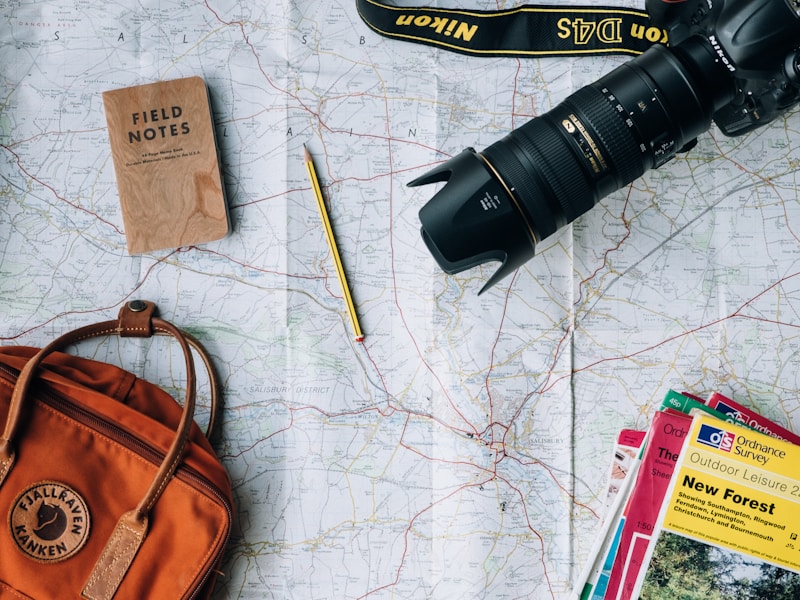
Before You Go
Identity card sufficient for Europeans, travel insurance recommended, bookings to be made in advance from March to May for peak season in Corsica.

Budget Money
Euro, widespread card payments, budget range €80 to €180 per day per person, tips are not mandatory but appreciated at restaurants.

Climate & Season
Warm summers on the coast (28-32°C), cool nights in the mountains, May-June and September ideal, mild winters in the south.

Transports
Car rental essential, ferries from mainland, picturesque Bastia-Ajaccio-Calvi train, slow and winding roads.

Culture
Living Corsican language, respect for villages and sites, polyphonic singing, local gastronomy (charcuterie, brocciu, chestnuts).

Useful Tips
Safe island, drinking water everywhere, high fire risk in summer, caution on mountain trails, decent mobile network except in valleys.
All practical guides
Search and filter among 0 articles
No articles match your criteria.
Frequently asked questions
The answers to the most frequently asked questions from our travellers.
As Corsica is a French region, no specific formalities are required for nationals of the European Union, Switzerland, the United Kingdom or the Schengen area: a valid national identity card or passport is sufficient. For travellers outside the EU, France's entry rules apply (Schengen short-stay visa if applicable). No internal border controls exist between mainland France and Corsica, whether you arrive by plane or ferry. However, we recommend verifying the expiration date of your documents at least 6 months before departure, and arranging travel insurance that covers cancellations, which are frequent in case of ferry strikes or bad weather.
No specific vaccine is required or particularly recommended for a stay in Corsica. Up-to-date universal vaccinations (diphtheria, tetanus, polio, pertussis, hepatitis B, MMR) are more than sufficient. The European health insurance card or French health card is accepted everywhere on the island: doctors, pharmacies, hospitals in Ajaccio, Bastia, Calvi, Porto-Vecchio. Our team still advises you to pack a basic first-aid kit with mosquito repellent for summer evenings near the eastern ponds, high-protection sunscreen (the radiation is intense), and plasters for hiking. For GR20 hikers, comprehensive insurance with repatriation assistance is advisable given the isolation of certain sections.
Budget between €80 and €180 per day per person, excluding flights or ferries from the mainland. Accommodation is the main expense: a double room in a 3-star hotel ranges from €90 to €160 in June and September, and rises to €150–250 in July–August, especially in the south. Car rentals vary from €35 to €80 per day depending on the season. A meal in a traditional restaurant costs €25–40 per person, a charcuterie and cheese board to share around €20–30. For activities, a boat tour to Scandola or Bonifacio costs €45–70. Low season (April, May, October) allows you to reduce this budget by 30 to 40%.
We recommend May-June and early September to early October: pleasant temperatures (22-28°C), warm sea (20-24°C), hiking trails are accessible, crowds are limited and prices are reasonable. July-August offer water at 25°C and all water activities are open, but with heavy crowds on the southern coast and high prices. April and October suit nature and village enthusiasts, with moderate rain risk. Winter remains mild on the coast (12-15°C daytime) but many establishments close from November to March. For the GR20, the window is limited to June-September, with July being the safest month at altitude.
Car rental remains essential for exploring the island at your own pace. Agencies are numerous at Ajaccio, Bastia, Calvi, Figari airports and in major towns. Allow for longer journeys than distances might suggest: 150 km can take 3 hours on mountain roads. The train, nicknamed the Trinighellu, connects Bastia to Ajaccio and Calvi while crossing spectacular landscapes, ideal for a stage without a car. Maritime shuttles serve beaches inaccessible by road (Saleccia, Lotu, Girolata). To reach the island, daily flights from Paris, Lyon, Marseille, Nice, or ferries with your car from Marseille, Toulon, Nice.
Yes, Corsica is a peaceful destination where the precautions to take are standard ones for Mediterranean tourist areas: don't leave valuables in your car, keep an eye on your belongings on crowded beaches in August. Crime against visitors is very low. Real risks concern nature: frequent forest fires in summer (strict compliance with fire and cigarette bans in the maquis), sea currents on certain exposed beaches, demanding mountain trails where difficulty is often underestimated. For the GR20 or high-altitude hikes, plan appropriate equipment and check the weather forecast. Our team guides you toward reliable providers and alerts you to zones to avoid depending on the season.
Ready to travel to in Corsica?
Discover our tailor-made itineraries, designed by our local team. Each route adapts to your pace, your preferences and your travel season.
See our toursWe use cookies to improve your experience and measure our site's audience. You can choose what you accept. Learn more.